Explore insights from our recent webinar, “Preparing English Learners for Academic Success,” and discover how educators can help English language learners build the academic skills, mindsets, and habits they need for the future.
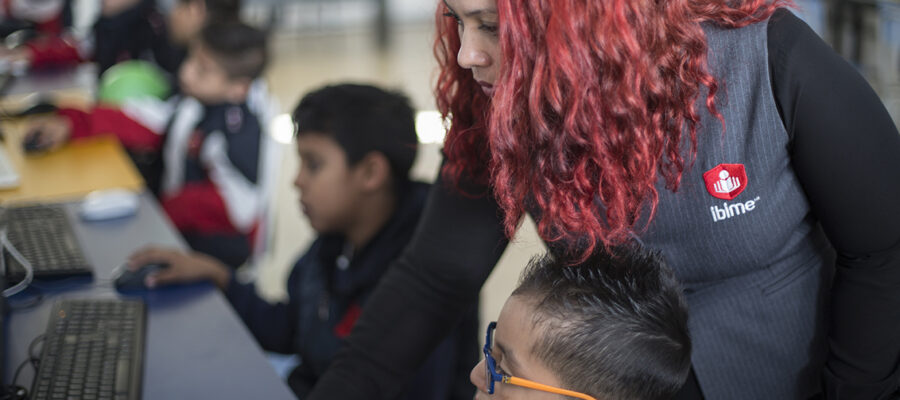


Explore insights from our recent webinar, “Preparing English Learners for Academic Success,” and discover how educators can help English language learners build the academic skills, mindsets, and habits they need for the future.
As a scientist and National Geographic Explorer, Dr. Rosa Vásquez Espinoza has experienced firsthand how English can create new opportunities and connect people across cultures. In this Q&A, she reflects on the power of English to amplify diverse voices and shares her perspective on the skills and mindsets learners need to navigate and shape the future.

In the second installment of our blog series, explore why critical thinking, or the ability to analyze information, evaluate evidence, and make thoughtful decisions before reaching conclusions, is important for English language learners’ future readiness.
As an immigrant, former English learner, and current university president in the United States, Dr. Reetika Dhawan understands the role English can play in helping learners access new opportunities, develop agency, and build confidence. In this Q&A, she reflects on the transformative power of English language education and shares her
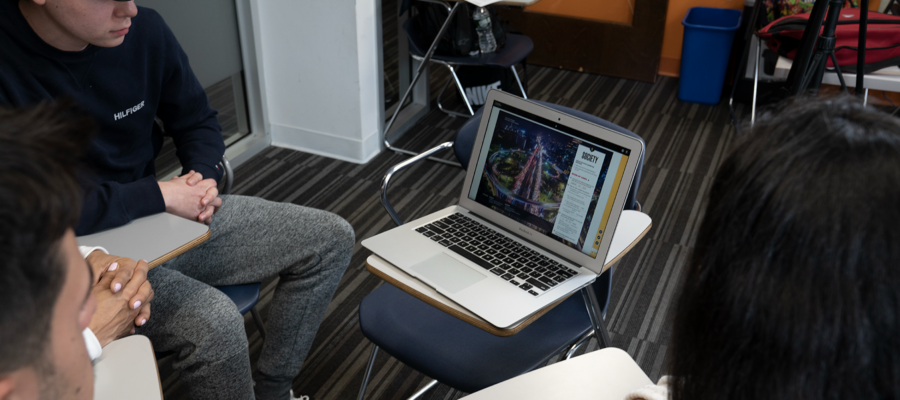
My first job as a teacher in the early nineties was to teach university-age students English and train them in the skills they would need for their future jobs. In 1993, those skills were narrowly defined as communication skills. Since then, I have seen the definitions of the skillset broaden

In the first installment of our blog series, explore why decision-making, or the ability to evaluate information, weigh alternatives, and make informed decisions in academic, professional, and everyday contexts, is important for English language learners’ future readiness—along with some simple tips to help you build this skill.
What helps students take what they learn in the classroom and apply it to new situations in the real world? For Marco Krcatovich II, Senior Director of Research and Outcomes at Cengage, adaptability, curiosity, and ‘learning how to learn’ are important parts of the answer. In this Q&A, Marco shares
Educators have always prepared learners for what comes next. But as academic, professional, and social expectations evolve, English learners must develop the skills to thrive in a variety of increasingly complex situations.

The job market our students are preparing to enter looks very different from the one most of us entered ourselves. Artificial intelligence, global collaboration, digital transformation, and ever-changing career pathways are reshaping the skills people need to thrive. While subject knowledge remains important, employers increasingly value more than just technical expertise. During my talks at the National Geographic Learning Experience Brazil in May 2026, educators were

Whether we call them future skills, employability skills, transferable skills or life skills, there is no doubt that more and more organisations are highlighting their importance as the world becomes more connected and more diverse than ever before. Educators, including those in ELT, are pushing to include these soft skills