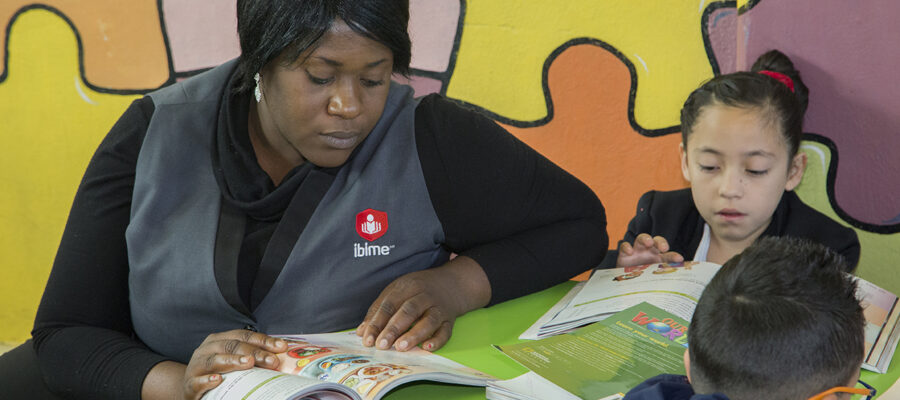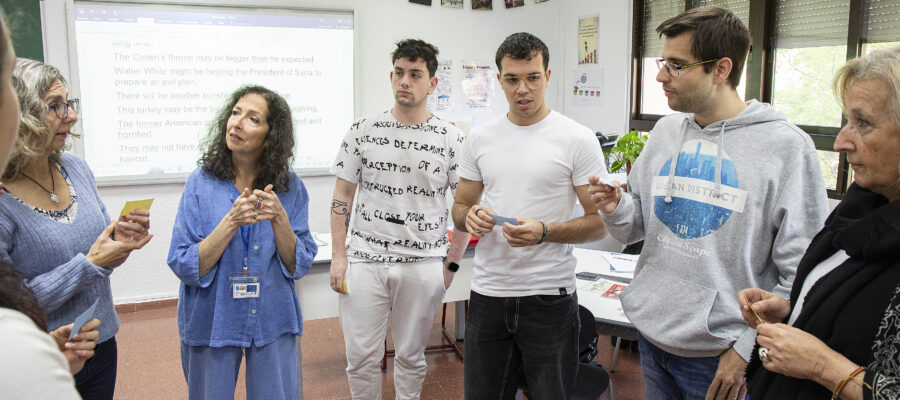

Differentiated instruction does not have to be difficult. Let’s look at some simple ways that we can make differentiation a reality in our classrooms.
What does success look like for your institution? While traditionally, exam results have been used to indicate institutional success and competitiveness, we are currently finding ourselves in a world where academic qualifications alone are no longer enough. Top industries are increasingly vocal about the lack of professional skills in applicants.
Learn why outcomes-based assessment is a more effective way to measure students’ progress and make their learning visible.
Have you ever finished a class and realized you were teaching almost on autopilot? You know the content, the objectives were covered, you had time for the exercises — the same teaching routine and activity types repeated every class. Many teachers reach this stage where the routine feels comfortable, yet
For a long time, conversations about the future of education felt somewhat distant — the kind of discussions found in policy reports, conference keynotes, or strategic plans rather than everyday teaching practice. Recently, however, those conversations have moved much closer to the classroom.
Before reading this article, click here to take a short survey related to skills for global communication. I will discuss your responses in my next blog post. Like many industries of today, the world of English language teaching is changing rapidly. In our attempt to keep up with the times and stay relevant, we have spent decades trying to embrace the newest technology in our
I still remember one of my first ELT conferences quite clearly, the Southern Cone TESOL convention in Curitiba, Brazil, back in 2001. I arrived with a program full of highlights, a notebook ready, and a strong sense that I needed to attend as many sessions as possible. I moved quickly
Your classrooms are changing. Diverse student groups, global perspectives, and rising expectations for learning in English require a knowledge-building approach to learning. Recognizing the need for programs and curricula that support these learners, National Geographic Learning partnered with Nonie K. Lesaux, Dean of the Harvard Graduate School of Education, to research
In many of today’s English language teaching classrooms, using a digital platform for teaching and learning is essential. With the support of digital platforms like Spark, teachers are saving time, engaging students more effectively in class, and making efficient adjustments to better support their learners. If you’re curious about the positive impact a digital platform can have
In Part 2 of his blog series on teaching C2-level learners, National Geographic Learning’s Alex Warren examines how we can challenge and “level up” learners by using activities that push them out of their comfort zone and develop their communication skills as well as their language skills. Read Part 1 here. What makes a C2-level communication task effective? As we