
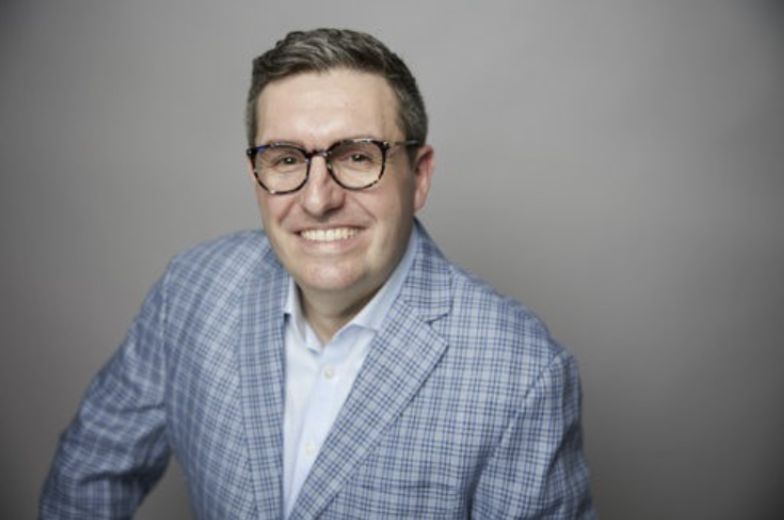
What helps students take what they learn in the classroom and apply it to new situations in the real world? For Marco Krcatovich II, Senior Director of Research and Outcomes at Cengage, adaptability, curiosity, and ‘learning how to learn’ are important parts of the answer.
In this Q&A, Marco shares his perspective on what it means to be future-ready, the role English can play in opening future opportunities, and how educators can help learners recognize the real-world value of the skills they are developing today.
Q: What does being ‘future-ready’ mean to you?
Marco Krcatovich II: Being future-ready is fundamentally about adaptability. The world is changing rapidly, and all of us are being asked to take on situations we cannot fully predict. The learners who thrive will be the ones who can adjust, learn quickly, and succeed in new environments with different expectations.
Q: What knowledge, skills, or mindsets do today’s learners need most, and why?
MK: It is less about knowing specific facts and figures (those are increasingly easy to look up) and more about mastering different ways of thinking and learning. Learners need practice in how to learn, how to approach problems from different angles, and how to apply different concepts and models to unfamiliar situations. That combination of curiosity, flexibility, and creative thinking becomes a real superpower when learners leave the classroom.
Q: What role does English play in preparing learners for future opportunities?
MK: English is a common language across so many industries, professions, and global communities, and that creates opportunity. Effective communication is one of the most important skills learners will carry into the workforce, so having the language and confidence to express ideas in ways others can understand is critical.
Q: How has education influenced your career and the way you approach learning?
MK: I grew up in a blue-collar family, and many of my mentors were teachers, education administrators, and specialists who helped me imagine a different path for myself than the one I had seen growing up. What influenced me most was being constantly asked to explain my thinking and apply what I was learning in new situations. That made me curious and excited to keep learning and eventually gave me the privilege of passing along not only what I had learned, but how I had learned it, to others.
Q: What is one practical tip you would like to offer educators who want to prepare their learners for the future?
MK: Spend time talking about where and how students might apply what they are learning. Not just how it helps them complete the next assignment or lesson, but how those skills and ideas show up outside the classroom. Give them practical examples and challenge them to find connections in their own lives. The more students practice making those connections, the more likely they are to start seeing them for themselves.
Q: What excites you most about the future of education?
MK: Every step toward a more personalized learning experience brings us closer to helping more students succeed and thrive. I am especially excited by innovation that helps meet learners where they are and recognizes their individual interests and ways of thinking as powerful hooks for engagement. When education becomes more responsive to the learner, we create more opportunities for students to see themselves in the learning and succeed.
Continue the conversation with Marco
Join Marco Krcatovich II and other leading voices in education for our Future-Ready Perspectives webinar series. Explore how changing expectations in education and the workplace are reshaping the skills learners need—and what this means for English language teaching today.