


Whether we call them future skills, employability skills, transferable skills or life skills, there is no doubt that more and more organisations are highlighting their importance as the world becomes more connected and more diverse than ever before. Educators, including those in ELT, are pushing to include these soft skills in our curriculum not just because they are great buzzwords to include in a course, but because these are the skills students need today.
In today’s world, open dialogues and social interactions are sidelined in favour of increased screentime, and we’re surrounded by likeminded people and a stream of monologues in online spaces. In order for our students to communicate effectively in the world outside the language classroom, they need more than just words and grammar structures. They also need skills to manage interactions with those different from themselves.
Before my recent webinar, Developing Skills for Global Communication, I asked educators to weigh in on this topic. The survey doesn’t capture how all ELT practitioners feel about the topic, but the answers provided an interesting picture which I would like to share with you in this article.
Here is what I found most interesting and informative:
Question 1: What do you think are some of the top skills your students will need in the workplace of today?
The most common answer here was communication skills, which got 10 mentions. In addition, there were five mentions of the classic language skills: speaking, listening, reading, and writing. In our jobs as English educators, it is no surprise that we see the link between language teaching and helping students develop their communication skills in order to interact with others.
Coming closely behind were collaboration and teamwork, critical thinking and problem-solving. Also mentioned were interpersonal skills, intrapersonal skills, emotional intelligence and adaptability.
Clearly, respondents recognise that our students are not simply using English to order food in a restaurant, check in at a hotel or get information from a help desk. They are using English to collaborate and work with others who might speak a different first language from them. To do this, they need to build trust, manage emotions, think critically, and adapt to different ways of communicating and behaving.
Question 2: What do you think are some of the skills your students need to deal with the different perspectives, unexpected behaviours and conflict that they might encounter in intercultural interactions?
Perhaps prompted by the mention of ‘intercultural interactions’ in the questions, there were seven mentions of intercultural skills/intercultural awareness. But what are intercultural skills? A quick glance at the survey answers to Question 2 provides us with some insight into intercultural skills.
Considering the multiple mentions of conflict resolution skills, respondents clearly understood that intercultural interactions are likely to include different perspectives as well as unfamiliar behaviours and ways of communicating. And judging from the many mentions of empathy and emotional intelligence but also resilience, open mindedness, flexibility and adaptability, it seems that respondents understood the skills needed to manage those conflict situations.
We often conflate intercultural skills with intercultural awareness…but what exactly does it mean to be interculturally aware? Is it just a matter of having knowledge of the countries our conversation partners are from, e.g. by researching and doing a PESTLE analysis before meeting someone from that country or community?
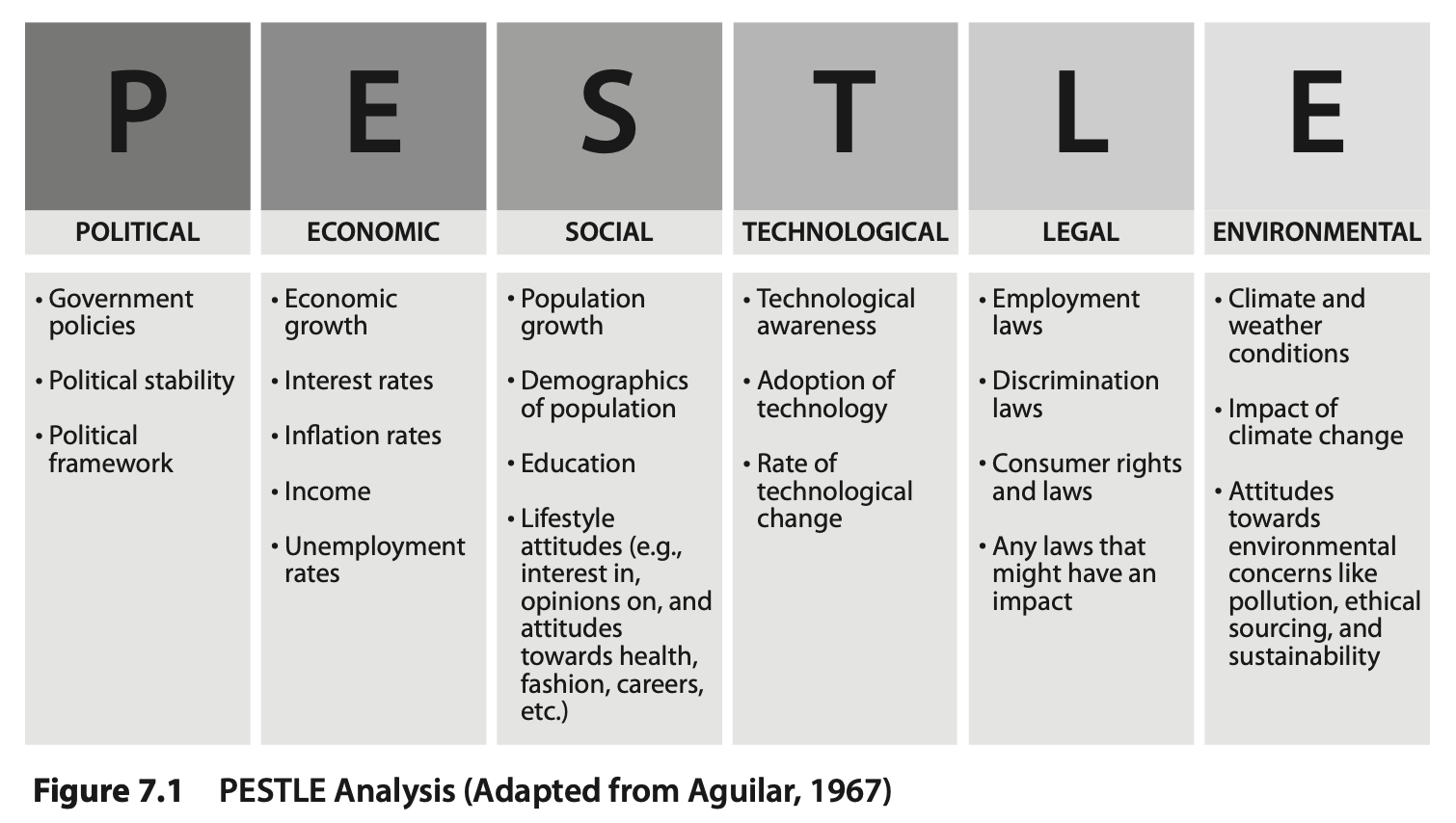
Intercultural interactions don’t always involve speaking to someone from a different country. For example, what about different corporation cultures between organisations or the generation gap between our parents and us? Understanding your conversation partner’s background can help you collaborate, build trust, and avoid conflict with them. To do this, perhaps we first need to understand what causes misunderstandings or breakdowns in communication.
Question 3: Which of the following are likely to cause misunderstandings or a breakdown in communication?
Incorrect assumptions and interpretations, differences in communication style, as well as the inability to see the other’s perspective or interpretation of a situation were all top choices for most respondents to this question. Few chose inaccurate use of grammar or a lack of vocabulary as the most likely cause of misunderstandings, which interestingly reflects research suggesting that inaccurate and unconventional language usage was not a barrier to communication among those who use English in global communication (see my previous blog post for more details).
Understanding the likely causes of potential issues in global communication can help us focus on useful skills and expose students to probable scenarios so that they can avoid these problems and/or are prepared to deal with them effectively when they occur.
Question 4: Which of these do you think should be included in a lesson on intercultural skills?
Although the food and festivals of other countries often appear in language courses, we could argue that such knowledge is not essential when communicating across cultures. Undoubtedly, dropping some tidbits about Korean food when talking to your Korean business partner might gain you some brownie points in that moment, but it is unlikely to do much more than that. And this seems to be reflected in your survey answers as ‘food and festivals’ was one of the lowest scorers in Question 4. Instead, what was ranked a lot more important was ‘How to see things from a perspective that is not our own‘, ‘Awareness of our own attitudes, norms and behaviours’, which is a big part of intrapersonal skills, and ‘The different ways people communicate and build relationships’, which is a big part of interpersonal skills.
Question 5: What do you find challenging about teaching global communication skills?
There is no doubt that the majority of the survey respondents, as well as teachers I have interacted with at webinars and conference talks, agree on the importance of developing global communication skills in our learners, and preparing for intercultural interactions and relationships. The challenge is in its implementation.
Several respondents mentioned doubts about their own ability and their own lack of knowledge or training to carry out such lessons. Many respondents worry about their students’ resistance to intercultural skill training and their tendencies to subscribe to stereotypes and pass judgments on unfamiliar ideas or behaviours, looking down on those who are different, and measuring the rest of the world negatively against their own values.
“Some students may resist unfamiliar ideas or judge other cultures quickly. Teaching them to be respectful, curious, and non-judgmental takes time and consistent effort.”
-Survey respondent
Clearly, getting students to see the importance of global communication skills and helping them develop these skills is not something that can be done in one lesson, or even one term. It is an ongoing process where students are given plenty of opportunities to see things from different perspectives, and to get regular practice putting themselves in another’s shoes using perspective-taking activities like critical incidents. It’s also important to show students how these skills can benefit them personally and professionally.
Take this scenario, for example:
A new colleague disagrees with you openly in a meeting where you being introduced to the department for the first time. You are not used to such open disagreement and feel disrespected and embarrassed. In your mind, you label this colleague rude and unfriendly, and you want to tell him off in front of everyone. However, you decide to hold back and instead thank the colleague for his opinions. After the meeting, upon investigating, you realise that this department encourages employees to speak up and to openly raise disagreements with each other in the spirit of open communication and increased innovation. You are now relieved that you haven’t reacted rashly during the meeting and risked creating a bad impression of yourself. Your goal at the meeting was for everyone to see you as a valued addition and a good fit for the team. By not reacting defensively, you have managed to achieve that goal.
Pause and Reflect:
- Have you ever experienced a situation where you benefitted from holding back your initial judgments and reactions? What would have happened if you reacted emotionally? What happened instead?
- How can we provide students with opportunities to examine their judgments and emotional reactions, and to think more critically about their responses to unexpected behaviours?
In my previous post, I suggested turning to ready-made course content like the Lesson Ds in the Voices programme which provide step-by-step lesson plans to help students develop intrapersonal and interpersonal skills. Teachers who are less confident about their knowledge or ability to teach these skills can learn from the materials alongside their students, while conducting discussions and pair work on the different topics.
After reading this post, are you interested in sharpening your own knowledge and skills in this area? Order my new professional development book Developing Skills for Global Communication for ready-to-go activities and lesson ideas for developing a range of intrapersonal and interpersonal skills, along with teacher’s notes and discussion points.