


In my last post, I wrote about differentiated instruction for teens in the secondary classroom. In this post, I’ll focus on differentiation for young learners in the primary classroom.
Just to recap, a good way to think about Differentiated Instruction (DI) is to imagine a common lesson objective, but with students taking different possible routes to get to that final destination rather than creating completely different lessons for each student.
When I wrote the Look Anthology Readers and Our World, Second Edition Book 6, I aimed to incorporate DI by using a concept called “Low Floor, High Ceiling”. This means designing one single activity that is easy for everyone to start (the floor), but allows advanced students to go much further (the ceiling). I’ll share some practical examples at the end of this post, but first let’s look at some of the theory behind DI.
The Theory: Why Differentiation Works
In educational psychology, Lev Vygotsky introduced the Zone of Proximal Development (ZPD). Think of ZPD as the “sweet spot” or “comfort zone” of learning — the area between what a learner can do alone and what they can do with a little help.
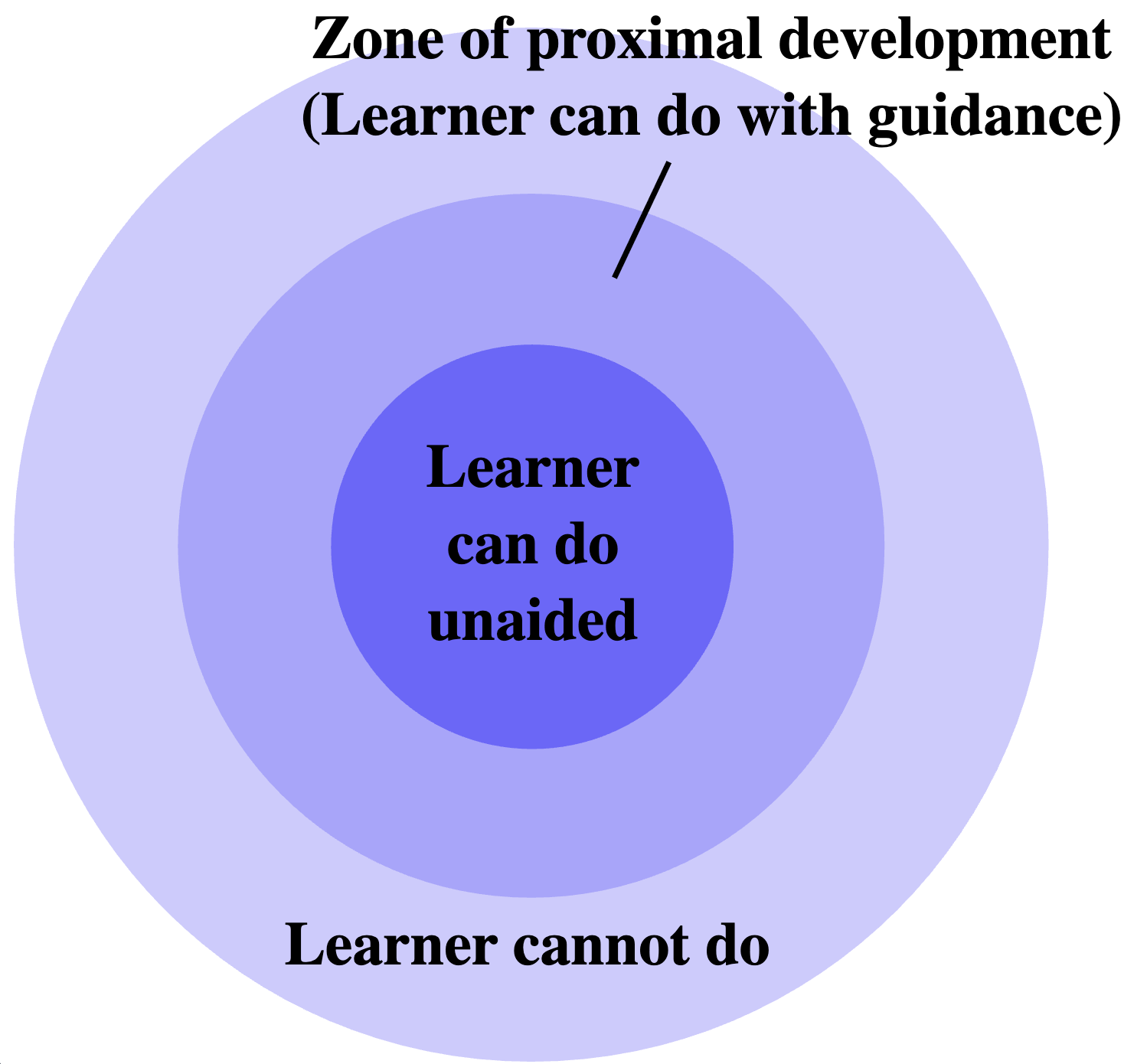
In a mixed-ability English language classroom, every student has a different Zone of Proximal Development. If a task is too hard, the student enters the “Frustration Zone” and stops trying. If it is too easy, they enter the “Boredom Zone” and lose focus. Differentiation is the process of scaffolding — providing temporary supports that allow students to stay within their ZPD.
The “Low Floor, High Ceiling” framework is a form of universal scaffolding. By lowering the floor, we ensure that every student can enter the ZPD successfully. By raising the ceiling, we ensure that the most advanced students never hit a “limit” that stops their progress. This creates a classroom where everyone is challenged, but no one is overwhelmed.
You don’t always need to create new materials to differentiate. Let’s take a look at some specific practical examples from Our World and the Look Anthology Readers. Even if you don’t use either of these programs, you can still use these differentiation ideas with your own course materials.
Choice Boards: Differentiation by Interest
One of the simplest ways to lower the floor is to use existing resources, but give students power over how they learn. Choice boards, for example, allow students to choose a task from a “menu” based on their own strengths and interests.
Example from Our World Level 6, Unit 5 (“It’s a Small World”):
This is a fascinating unit on the unique topic of small and microscopic creatures. Instead of asking everyone to write five sentences about small creatures, give them a choice board with different options:
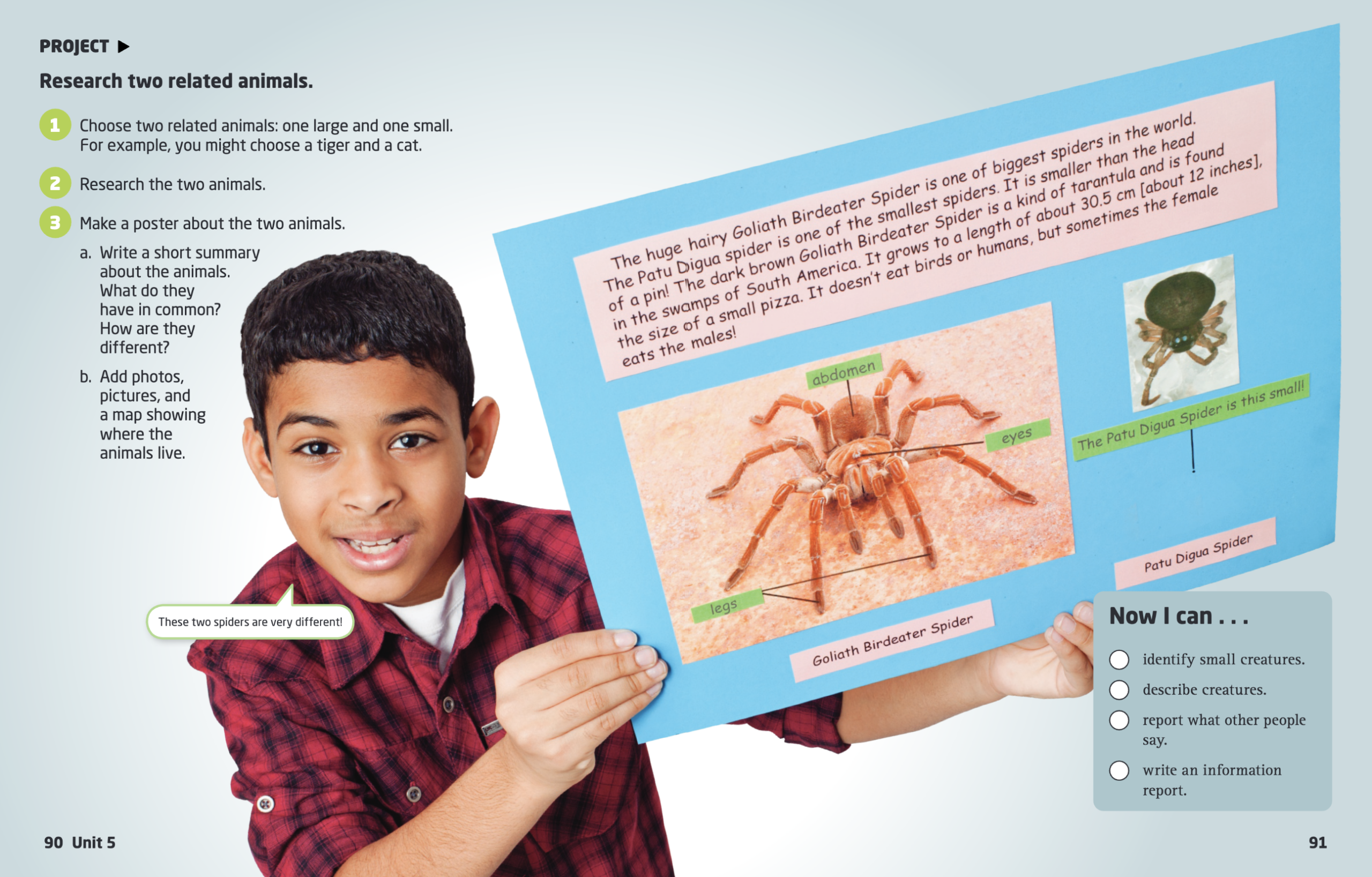
- The Poster (Visual): Choose two related animals: one large and one small. Research the two animals and make a poster comparing the two. Write a short summary about the animals. What do they have in common? How are they different? Label the parts using new vocabulary. Add photos, pictures, and a map showing where the animals live.
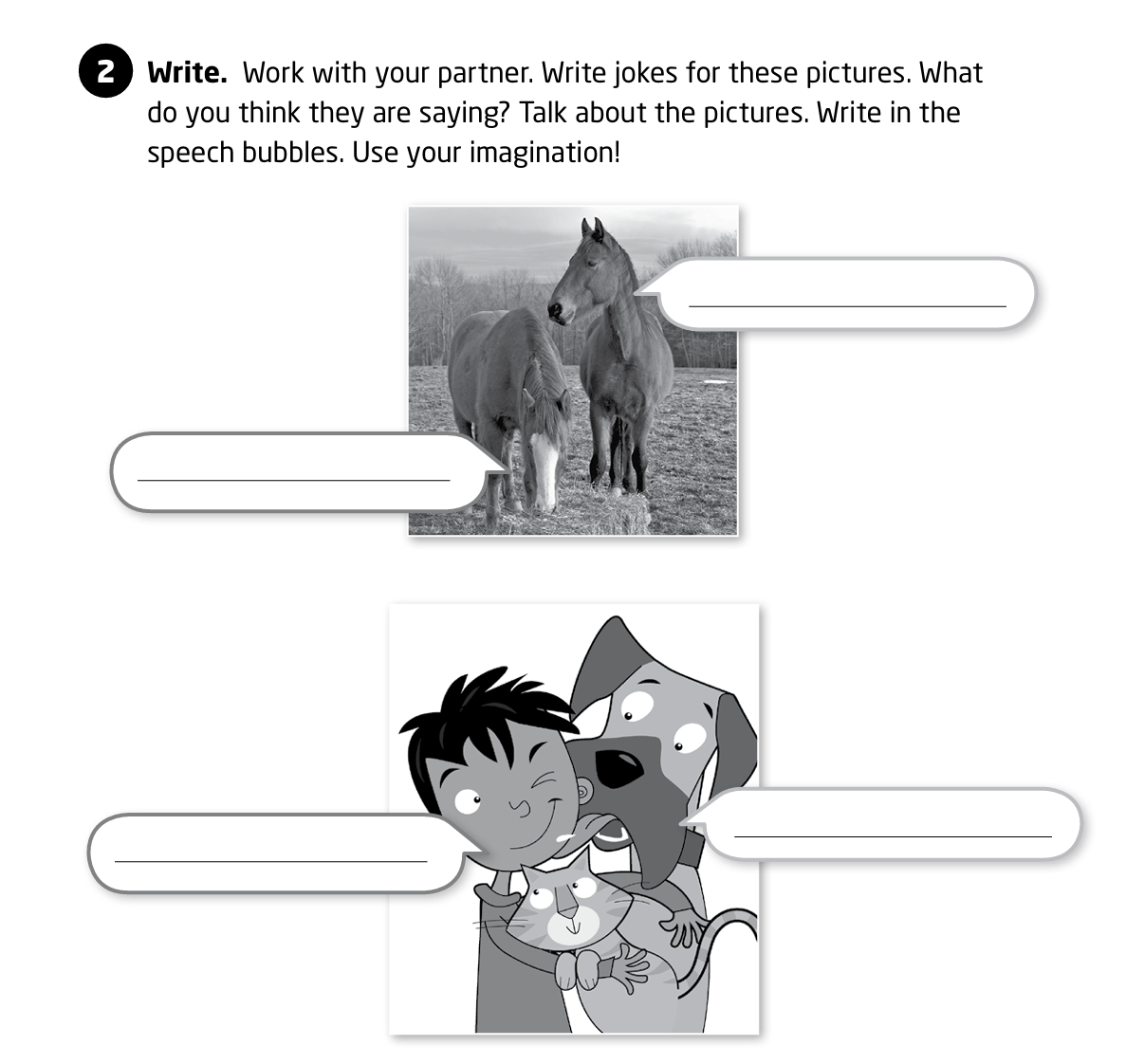
- The Meme (Visual and short): Use the templates from the Our World student worksheets or another template. Students write jokes to match the pictures, then share their memes with their classmates.
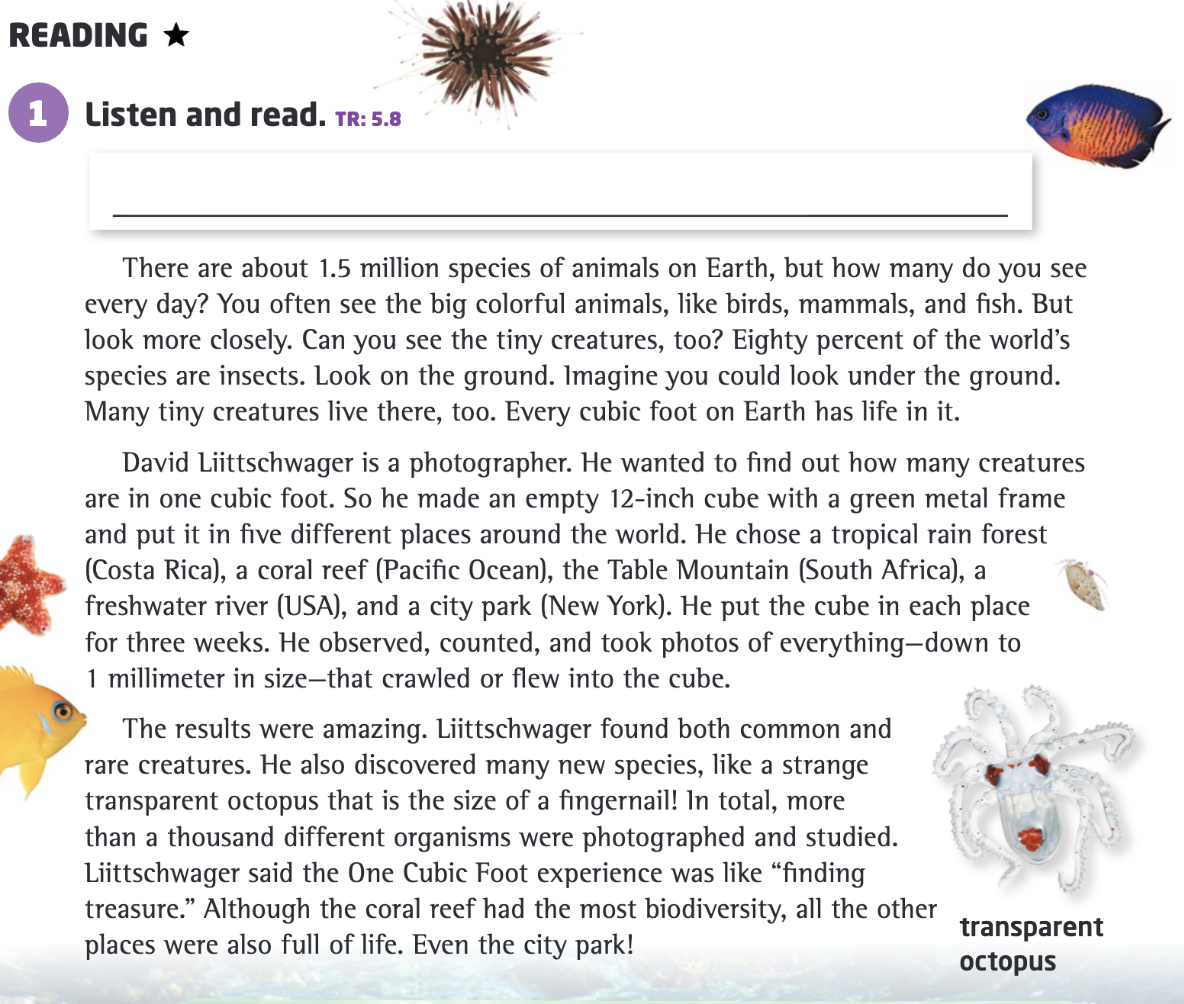
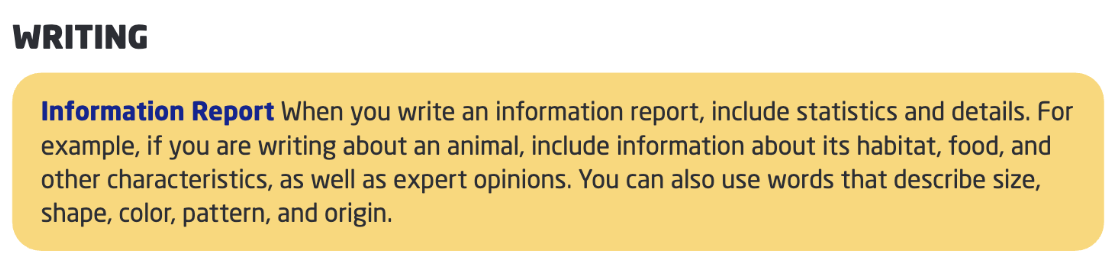
- The Report (Logical and extensive): Students read an article about National Geographic Explorer David Littschwager, then write an animal report, including statistics, facts, and an expert opinion. (If you’re looking to elevate the activity, use the reading and writing activities on Dynamic Lessons in the National Geographic Learning Spark platform!)
The Result: The “floor” is low because every student can find a medium they are comfortable with. However, the “ceiling” is high because a student who chooses the report might include complex storytelling, deeper research, or multiple grammar points that go far beyond the basic requirements.
Tiered Tasks: Differentiation by Depth
Often, you can use high-quality visuals, like the ones National Geographic Learning materials are known for, and simply change the depth of the questions you ask. Think of your questions like a ladder that students can climb as high as they are able.
Example from Our World Level 6, Unit 7 (“Wonders of the Natural World”):
Show the class a beautiful National Geographic photo of the iceberg in the unit opener. Instead of asking one question to the whole class, use tiered levels:
- Tier 1 (The Floor): “Point to the iceberg. What color is it?” or “Where is this? Do you want to visit this place?” This allows beginners to participate and feel successful immediately.
- Tier 2 (The Middle): “What are the penguins doing? What other animals live in Antarctica?” This requires students to use the present continuous, simple present and basic reasoning.
- Tier 3 (The Ceiling): “What happens if these icebergs are gone? How do the penguins’ lives change?” This pushes advanced students into critical thinking, prediction, and complex sentence structures.

The Result: Every student is looking at the same page in the book, but they are all working at the peak of their individual ability.
Open-Ended Projects: Differentiation by Creativity
One of the biggest challenges in both primary and private language schools is the “early finisher.” These students often finish a task in minutes and then become a distraction. Open-ended projects solve this by having a clear start but no “finish line.”
Example from the Look Anthology:
After reading a story together, assign a simple, open-ended task: “The story is finished, but what happens next? Create the next page.”
- Lower-level students may draw a picture of the characters and write a simple closing sentence like, “They went home and had dinner.”
- Higher-level students may write a full paragraph, introduce a new character, or create a plot twist that connects to a previous story.
The Result: Both students are successful. The lower-level student has completed a meaningful task, and the higher-level student has stayed engaged for the entire lesson because the “ceiling” of the project was as high as their own imagination.
Practical Tips for Your School Context
Whether you are teaching in a large primary school with 30 students or a small private language school with a mixed-level group, these strategies are designed to save you time.
- For Primary Teachers: Focus on Tiered Tasks. It is the fastest way to differentiate during a busy 45-minute block without needing extra photocopies.
- For Private Language Schools: Focus on Choice Boards and Open-Ended Projects. Since you often have more flexibility and smaller groups, you can let students spend more time exploring their creative interests.
Try implementing just one “Low Floor, High Ceiling” task this week. You might find that when you remove the limits in your classroom, your students will surprise you with exactly how high they can fly.
Want more tips and real‑world insights from ELT professionals? Subscribe to our global newsletter and stay connected with educators around the world.