

As educators, you understand why your English language learners need future-ready skills. What may be challenging is finding relevant, practical, and age-appropriate ways to integrate these skills into your classroom.
In the second installment of our blog series, explore why critical thinking, or the ability to analyze information, evaluate evidence, and make thoughtful decisions before reaching conclusions, is important for English language learners’ future readiness. You’ll also discover some simple tips to help you build this skill.
Why critical thinking matters
In the classroom and the real world, there isn’t always a clear answer to every question, problem, or challenge. Learners often face situations where they must rely on their own judgment and weigh supporting evidence to reach a conclusion. By giving learners opportunities to practice critical thinking throughout their learning experience, you can help them understand why this skill matters and where they can apply it.
How to help students build critical thinking skills in the classroom
Here are a few examples from National Geographic Learning programs that you can try out for your own classroom.
Encourage flexibility in students’ thinking
Show learners that their opinions on a subject may change as they encounter new information. In Trailblazer, Level 4, learners are asked to evaluate an image depicting different kinds of communities. They identify what they see and reflect on what makes each group a community. After watching a video about how human, animal, and plant communities function, students return to the original image and discuss how their understanding and initial observations have changed.
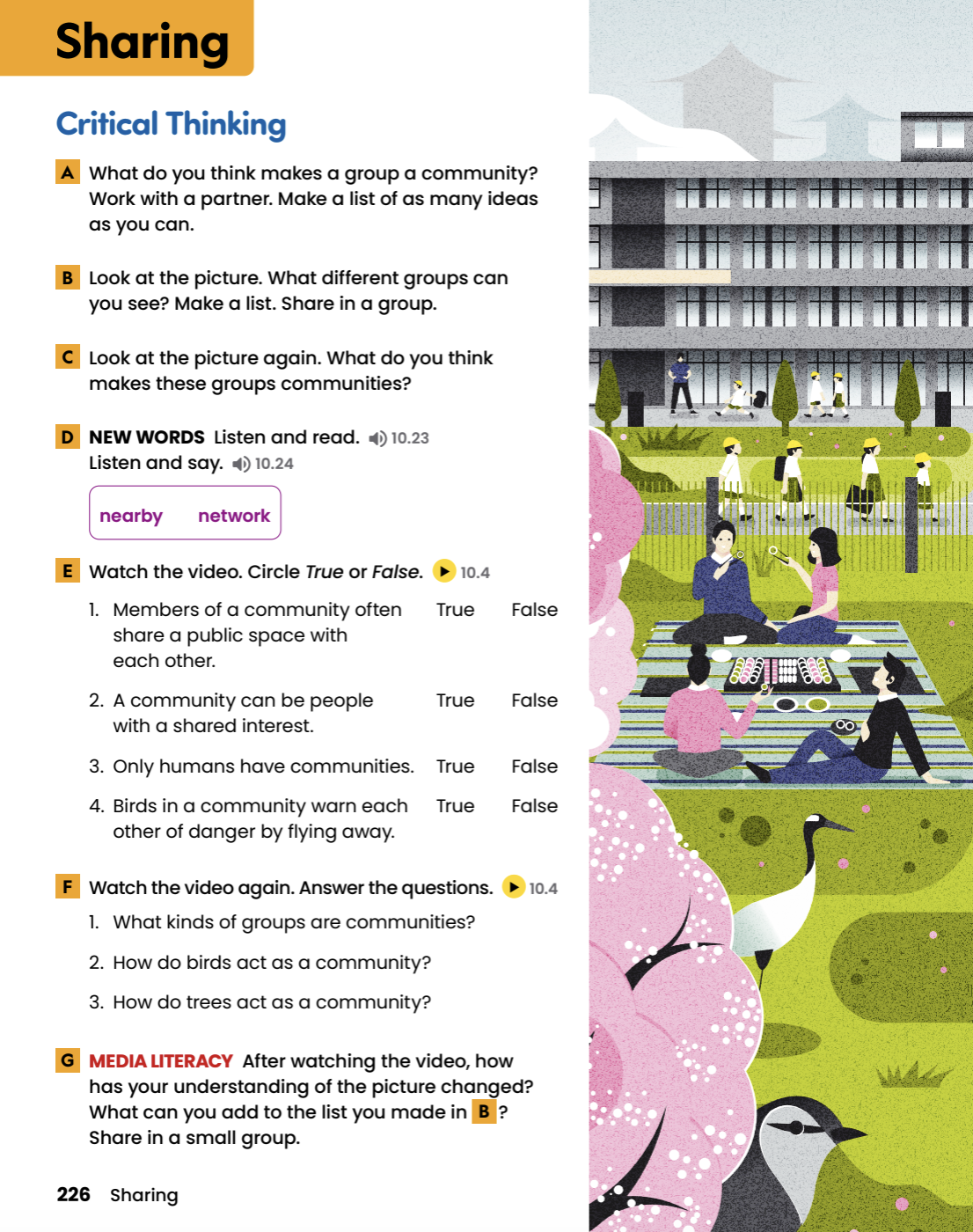
Classroom tip: Before presenting new information, ask learners to record an initial answer or interpretation based on what they already know. After a group discussion, video, or reading, have your learners reflect on their original answer with these questions in mind: Does this new information prompt you to change your response? Has your response stayed the same? Why or why not? This process helps learners understand how facts and supporting evidence can impact any decision they make.
Help learners support opinions with evidence
A conclusion is strongest when it’s based on facts and reliable evidence. In Impact, Second Edition, Level 1, learners read an opinion on why being a professional tea taster is considered the “best job.” They’re asked to identify which facts the writer uses to support this opinion. After selecting which supporting details help them decide what the best part of the job is, learners choose another interesting occupation and find evidence to help them make a similar claim.

Classroom tip: When students share an opinion, ask them to back it up with one or two pieces of evidence: What makes you think that? What fact, example, or detail supports your view? You can apply this simple step to discussions, readings, videos, or writing tasks to move students from stating an opinion to defending it.
Ask learners to consider a writer’s point of view
Being able to evaluate an writer’s point of view can help learners spot biases and understand how this point of view can influence their own feelings or perceptions.
In World English, Fourth Edition, Level 2, learners read an article about future-ready careers. Rather than simply answering comprehension questions, they’re asked to decide whether the author has a positive, negative, or neutral view of technology and the future of careers, and to identify information in the article that supports their interpretation.
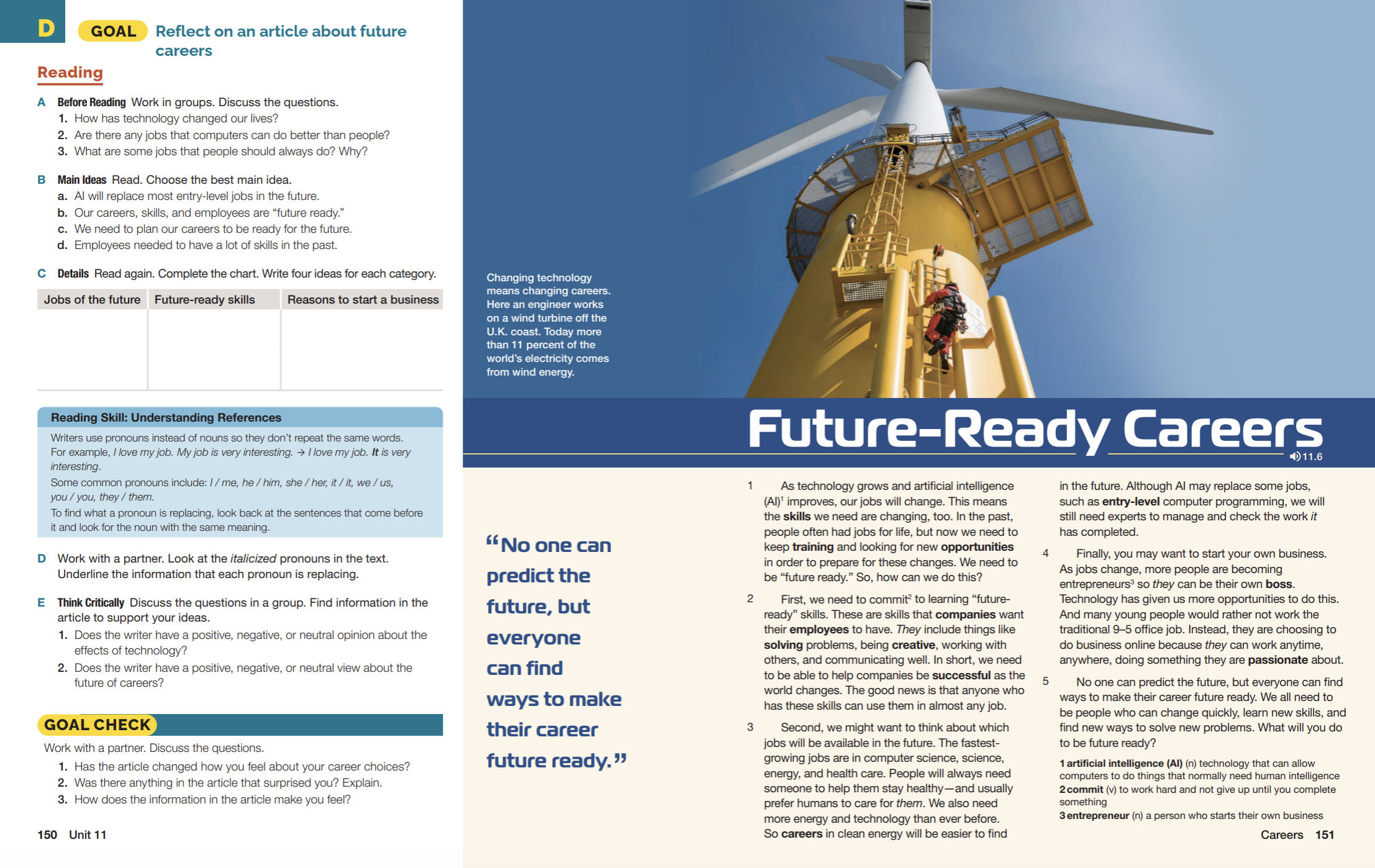
Classroom tip: After learners read a text, ask them to discuss the author’s attitude toward the topic. Does the author have a positive, negative, or neutral viewpoint on the topic—or maybe it’s somewhere in between? Then, have them highlight specific words, examples, or ideas that support their answer. For more advanced learners, ask whether another reader could interpret the author’s point of view differently and what evidence might support that interpretation.
Compare different perspectives
Whether in the classroom or the workplace, the ability to understand another person’s perspective, even if it differs from your own, is key to successful collaboration and communication.
In Reach Higher, Level 6A, learners read about two student journalists who take different approaches to a school newspaper story. One prefers a sensational headline, while the other refuses to publish the article because she feels it violates principles of responsible journalism. Follow-up activities ask learners to compare the characters’ viewpoints, support that comparison with evidence, and analyze the consequences of their choices.
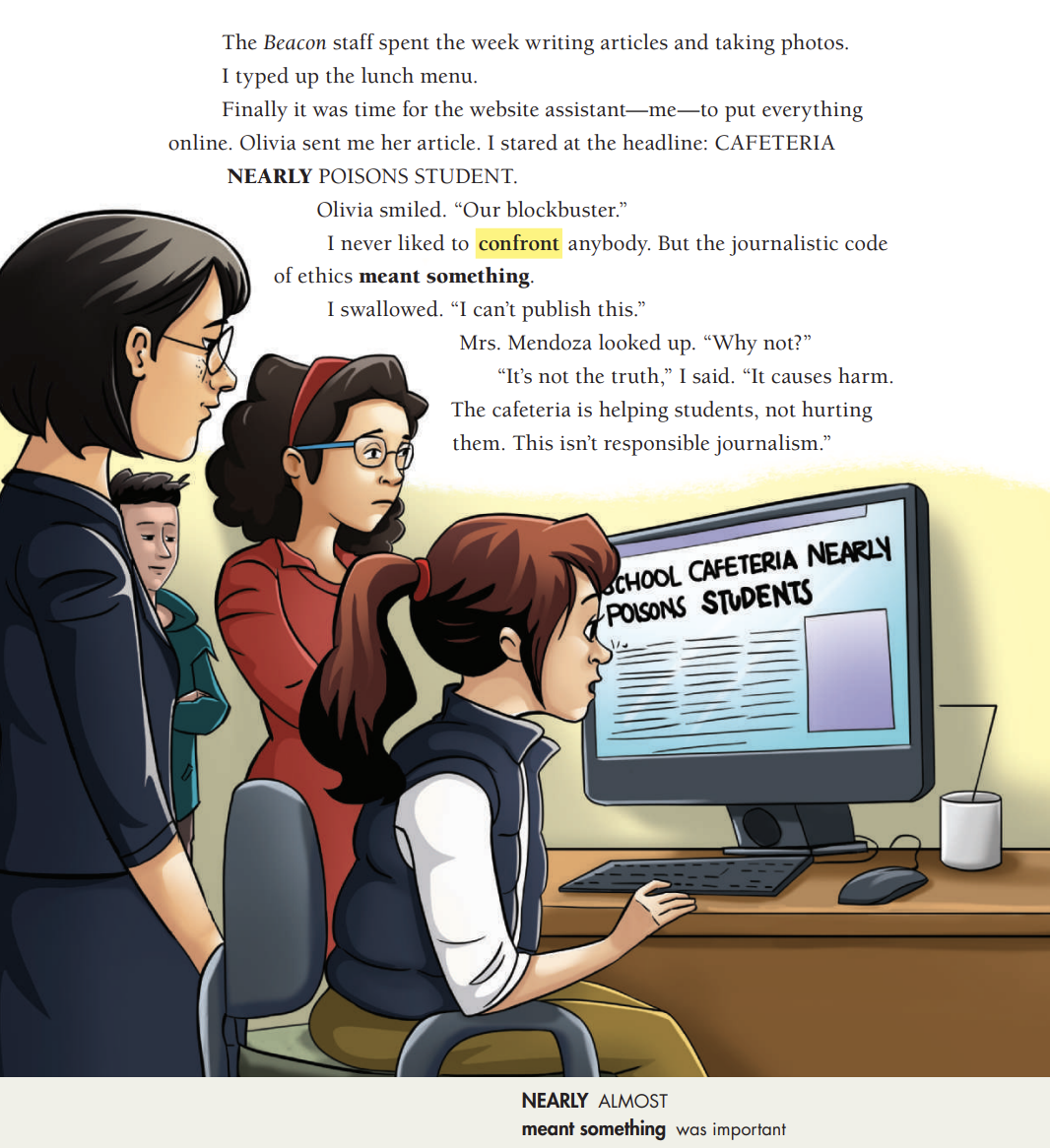
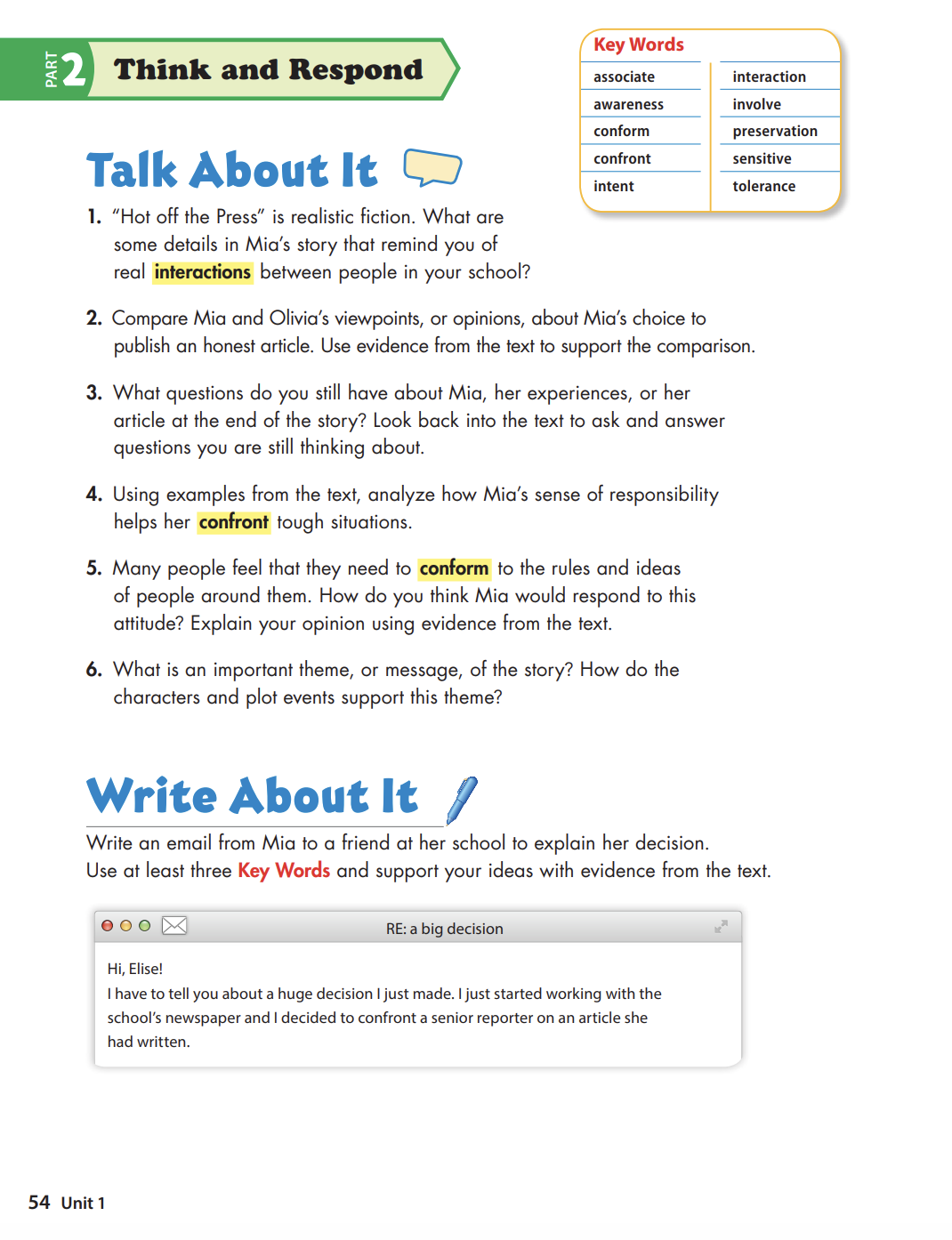
Classroom tip: Give learners two different viewpoints on the same issue and ask them to identify the reasoning behind each one. Ask them to provide evidence supporting each perspective before deciding which they find more convincing. This encourages students to understand a position before judging it.
Curious about additional future-ready skills for your English language classroom? We’ll be back with another installment of our blog series next month.