


Before reading this article, click here to take a short survey related to skills for global communication. I will discuss your responses in my next blog post.
Like many industries of today, the world of English language teaching is changing rapidly. In our attempt to keep up with the times and stay relevant, we have spent decades trying to embrace the newest technology in our classrooms – from IWBs (interactive white boards) to iPads, from classroom management tools to digital learning platforms.
But as we experiment with new modes of delivering multiple choice exercises, flashcards and graded readers, it’s easy to forget that the heart of all language use and language learning is communication. Participating and negotiating meaning in authentic conversations enable language learning and help students practice using English in real life. But the way students are using English in real life is changing as translation and AI technology continues to improve. To stay relevant, here are some questions we should ask:
1. Why do our students need English? What is English being used for?
For some, it might simply be to get around a foreign country, understand a menu and check in their suitcase. But for that, they now have fantastic mobile translation capabilities in their pockets. They have apps to write emails and reports in English and AI technology to obtain and share information with perfectly accurate grammar usage. So, in this day and age, why do students really need English?
Because being equipped with the world’s global language of today unlocks the ability to communicate and build relationships with the rest of the world. The ability to communicate in English opens a treasure trove of opportunities to interact with the world – collaborating with co-workers and working with customers, suppliers, or international counterparts with different first language backgrounds, interacting with fellow video gamers online or engaging people from around the world in conversation on social media platforms.
Interestingly, the moment our students communicate in English, they are probably communicating internationally – interacting across cultures with people who might have different norms and attitudes towards things. While AI can manage transactional communication (receiving and sharing information), it cannot yet build trust, manage conflict and prepare students for the cultural differences they will encounter when communicating outside the classroom. And so, in training students to be better communicators, we need to help them develop these interpersonal skills.
2. What causes misunderstandings when we communicate with others on a global arena?
In the 2000s, researchers of English as Lingua Franca suggested that inaccurate and unconventional language usage was not a barrier to communication and that people using English in global communication were able to effectively manage gaps in understanding using their strategic competence.
If language competence is not the issue, then what are causes of the communication issues that are so often seen in business and at the global workplace? When encountering people from different backgrounds and cultures, students will be confronted with different viewpoints, expectations, goals and communication styles. In the face of such differences, it is not uncommon for them to get into a ‘fight or flight’ mode, pass haste judgements and react negatively.
There is no doubt that conflict is uncomfortable and not often discussed in ELT materials. However, conflict is inevitable and, if managed effectively, can lead to increased curiosity about others, deeper trust and mutual understanding, and better relationships. In the workplace, the effort to avoid conflict at all costs can lead to suppressed voices and stagnant processes, while well-managed conflict can drive more creativity and innovation. Helping students develop strategies to deal with misunderstandings, disagreements and problems can help them become better communicators.
3. What are the skills our students need to navigate global communication?
Organisations like the United Nations, the World Economic Forum, the OECD, as well as business and management firms like McKinsey & co. are all noting the need for transferable skills, or what some might call life skills, 21st century skills, employability skills or soft skills. An analysis of the multiple published lists of top core skills shows that certain skills like self-awareness, resilience, relationship-building and empathy feature heavily.
In examining these top skills, I have put them into 3 categories:
- Intrapersonal skills like emotional management and curiosity
- Interpersonal skills like relationship-building, active listening and conflict management
- Group communication skills, because speaking in groups and team building can be very different from one-to-one conversations and relationships
This forms three sections of my book Developing Skills for Global Communication – with each chapter dedicated to one of these core skills and how we can help develop them in the language classroom.
4. How can developing these skills complement English language teaching?
At the start of their learning journey, students might be simply translating how they communicate straight into English, but as they interact more in English, they might notice the differences between spoken and written English and the sociocultural influences behind them. This builds awareness of how culture shapes communication.
Although phrases like ‘Could you…?’ or ‘Would you mind…?’ might not translate into the learner’s first language well, that is that is how polite requests are made in English. Once we can help learners understand that, we can then help them see that the same utterance could mean different things to different people e.g. the answer ‘Not too bad’ to the question ‘How are you?’ could sound ‘perfectly appropriate’ to some or ‘shockingly negative’ to others.
To navigate global communication, one needs to be able to put oneself in the position of others and see things in ways that might be vastly different from one’s own perspective; one needs to have the curiosity to ask questions and find out about behaviours that might at first be unfamiliar and strange; one needs to have the flexibility and adaptability to tweak our expectations and/or change the way we communicate or the way we do things so that our conversation partners feel comfortable..
And the language classroom is the perfect place to practise these skills and rehearse them in pair or group speaking activities.
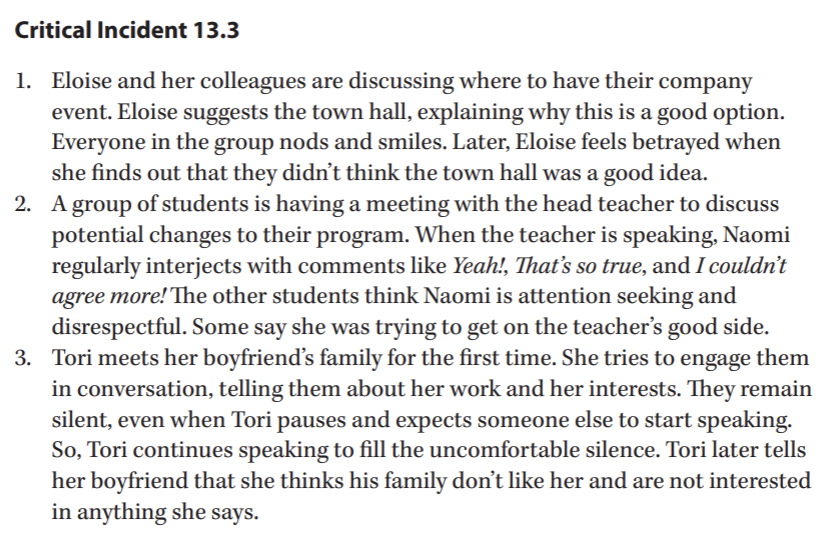
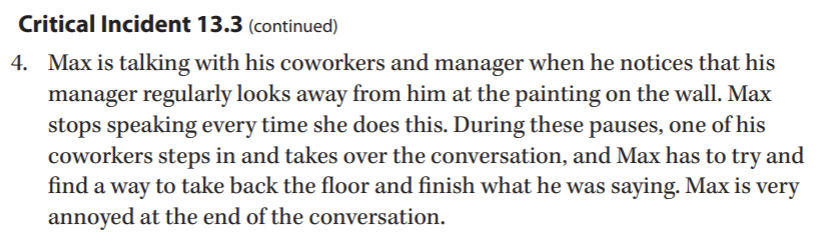
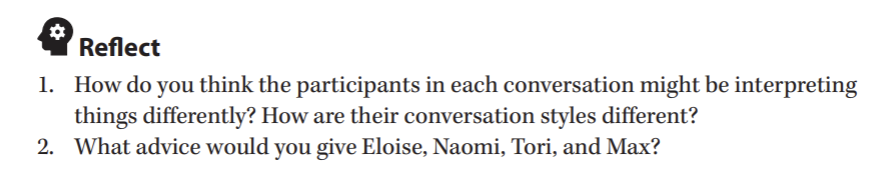
5. How can teachers and trainers develop the confidence to weave these skills into their students’ English language learning journey?
Use course content as a tool
In a communicative classroom, lessons can cover a wide range of topics – from food and travel to the history of the colour blue to the manufacturing process of cheese. As English teachers, we are not experts in any of these topics, but that doesn’t stop us from using them as interesting vehicles for discussions and language practice. We trust the content provided by the course materials we use, and we sometimes supplement with videos or articles we have found about the topic. We have probably also noticed that when the topic is something we are personally interested in or passionate about, we are more likely to make the lesson stimulating and enjoyable for the students.
So in the same way, in order to help students develop these key skills, we need to have the right course materials that can take the pressure off us needing to be the experts in the topic. The Lesson Ds in the Voices program, for example, contain reading articles, case studies/stories, and explainer videos to focus on each of these skills without the teacher needing to do any extra preparation.
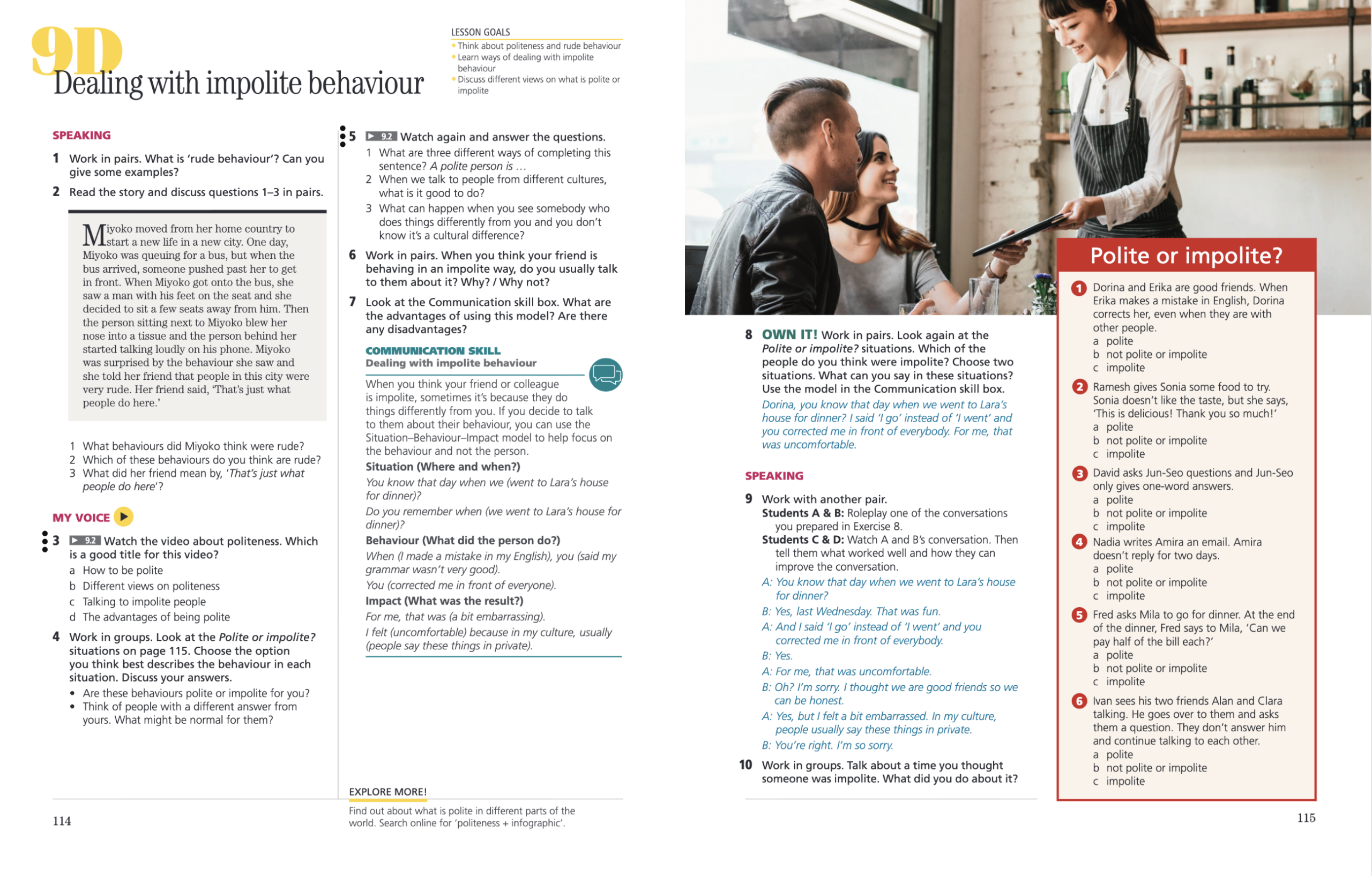
Build your own knowledge through professional development
As educators, it’s important to develop our own competence and confidence in these areas. One way to start is by learning, reading up and furthering our professional development on the subject with books like Developing Skills for Global Communication (Chong, 2025), Successful International Communication (Chong, 2018), 7 Skills for the Future (Prince, 2019), Global Dexterity (Molinsky, 2013) and Global Fitness for Global People (Spencer-Oatey et al, 2022).
Strengthen your own communication skills
Another way is to start improving our own skills as a communicator. As we learn about these individual skills and how to develop them, we might find ourselves reflecting on our own interpersonal skills, sharpening our own awareness and noticing how we communicate every time we interact with others. With such awareness, every interaction becomes an opportunity to work on these skills.
Conclusion
At the start of this article, I mentioned that it’s easy to forget that the driver as well as the heart of language learning is communication. Conversing, discussing and interacting in English allows students to think more deeply about global communication and help them develop these essential soft skills. In the meantime, the speaking practice these activities generate also allows for meaningful and useful language practice that will eventually lead to better fluency and language competence.
These intrapersonal and interpersonal skills go hand in hand with language learning, and they are skills that technology and AI cannot yet replace.