Educators have always prepared learners for what comes next. But as academic, professional, and social expectations evolve, English learners must develop the skills to thrive in a variety of increasingly complex situations.


Educators have always prepared learners for what comes next. But as academic, professional, and social expectations evolve, English learners must develop the skills to thrive in a variety of increasingly complex situations.

Like many industries of today, the world of English language teaching is changing rapidly. In our attempt to keep up with the times and stay relevant, we have spent decades trying to embrace the newest technology in our classrooms – from IWBs (interactive white boards) to iPads, from classroom management tools to digital

In many of today’s English language teaching classrooms, using a digital platform for teaching and learning is essential. With the support of digital platforms like Spark, teachers are saving time, engaging students more effectively in class, and making efficient adjustments to better support their learners. If you’re curious about the positive impact a digital platform can have

In the first of two blog posts about teaching C2-level students, Alex Warren explores the challenges of teaching students at this proficiency level and how developing “noticing” skills can create a springboard for more appropriate, effective, and impactful communication.

In today’s fast-changing global landscape, English language learners need more than just language skills — they need future-ready skills that prepare them for the world of work. Educators know this. You see your students striving not just to learn English, but to use it as a tool to succeed in

The Slingshot Challenge by our partners at the National Geographic Society is now accepting submissions! This exciting initiative gives students ages 13–18 the opportunity to research, create, and share a 1-minute video focused on solving an important environmental challenge in their community. Why should English language educators share the Slingshot

In today’s rapidly evolving global job market, students need more than just academic knowledge; they need future-ready skills that will help them adapt to new challenges and opportunities. Educators have been preparing students for their future for hundreds of years; after all, that is one of the main goals of

Preparing your English language learners for the TOEFL speaking exam can be challenging, especially when it comes to Questions 3 and 4. These questions require specific skills and strategies to effectively comprehend and respond to academic material. In this blog post, we will explore five essential tips to help English

In today’s rapidly evolving job market, English proficiency has become a crucial asset for career success. Whether in business, technology, healthcare, or academia, professionals around the world rely on English to collaborate, innovate, and communicate effectively. Context: The demand for English in the workplace extends beyond technical knowledge. Research shows that
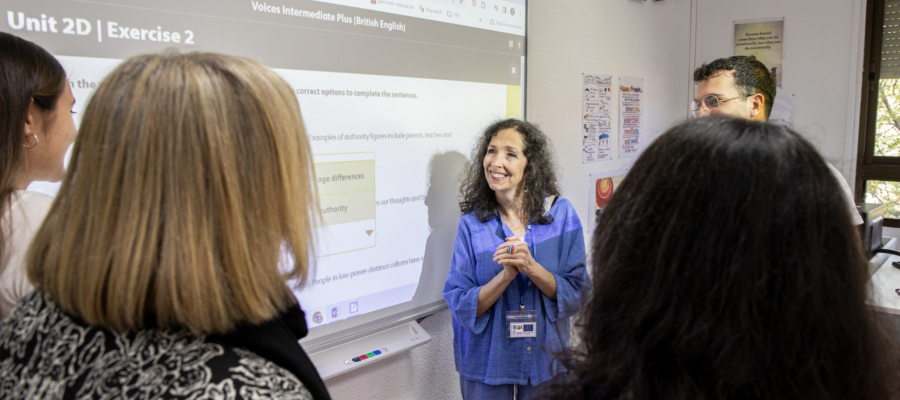
In this post, we’ll share some reasons why educators might modify their ELT coursebook and explain how Dynamic Lessons, a new teaching tool from National Geographic Learning, can help educators create a more tailored, relevant classroom experience with their existing course materials.