


Your classrooms are changing. Diverse student groups, global perspectives, and rising expectations for learning in English require a knowledge-building approach to learning. Recognizing the need for programs and curricula that support these learners, National Geographic Learning partnered with Nonie K. Lesaux, Dean of the Harvard Graduate School of Education, to research the new skills and competencies they need to develop. Nonie is also a Program Advisor for our Lift program.
Keep reading for a summary of Nonie’s findings and our solution: The Content-Based Literacy and Language (CBLL) list.
The Shifting Landscape of Global Learners
What is needed to meet the needs of today’s adolescent learners worldwide?
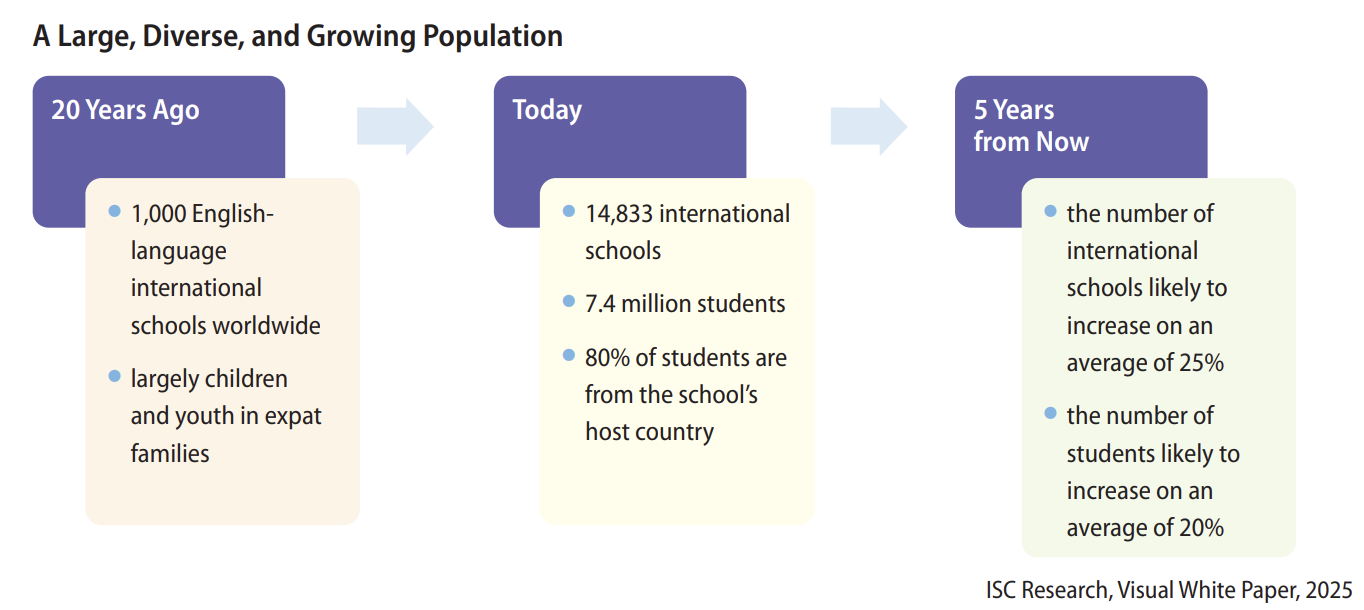
The next generation needs advanced literacy and communication skills, critical thinking and problem-solving skills, awareness of global issues, and an understanding of diverse cultures. Where 25 years ago, there were only 1,000 international schools around the world, largely serving children of expat families, today there are almost 15,000 international schools serving 7.4 million students — 80% of whom are from the school’s host country.
The model for English-Medium Instruction (EMI) hasn’t kept pace with this population growth and changes, coupled with rapid social and economic development, over the last two decades. Today, the landscape of what it means to be educated and what constitutes being literate has changed.
Key Shifts in Curriculum Design
Changes in curriculum design are needed to develop the skills this next generation of multilingual learners needs. Nonie says:
“My research was clear that if we were going to improve learning outcomes for our growing and diverse population of learners, we needed a ‘knowledge-building approach’ to language and literacy instruction — an approach that places rich content and engaging text at its core and focuses on what I think of as three design principles: 1) go for depth of learning; 2) focus on the learning process; 3) make learning interactive.”
Read Nonie’s whitepaper on the importance of using engaging, grade-level text to support academic success for today’s EMI learners.
The Result of Collaboration and Research: Content-Based Literacy and Language
Lesaux was eager to partner with National Geographic Learning on this research because our curriculum designers were open to thinking differently about building students’ language and literacy skills and were guided by National Geographic Learning’s mission: to “bring the world to the classroom and the classroom to life.”
In response to Nonie’s research findings, National Geographic Learning developed our Content-Based Literacy and Language programs to prepare multilingual learners with the English and skills needed to access the world and achieve academic success in school and beyond. Our complete CBLL solution offers a learning pathway with programs for Kindergarten, Primary, and Secondary school English learners.
Explore our Content-Based Literacy and Language offerings by accessing the digital sampler below: